The paperwork that protects you, written so your kitchen actually uses it
HACCP plans, SOPs, and recordkeeping systems built for real operations, not binders that gather dust.
If your menu has a special process, SNHD wants a plan first
Some of the best food in this city, from the sushi bars on Spring Mountain to the kimchi fermenting in the back of a family Korean kitchen, involves what SNHD calls a special process. Clark County requires an approved plan before you run one.
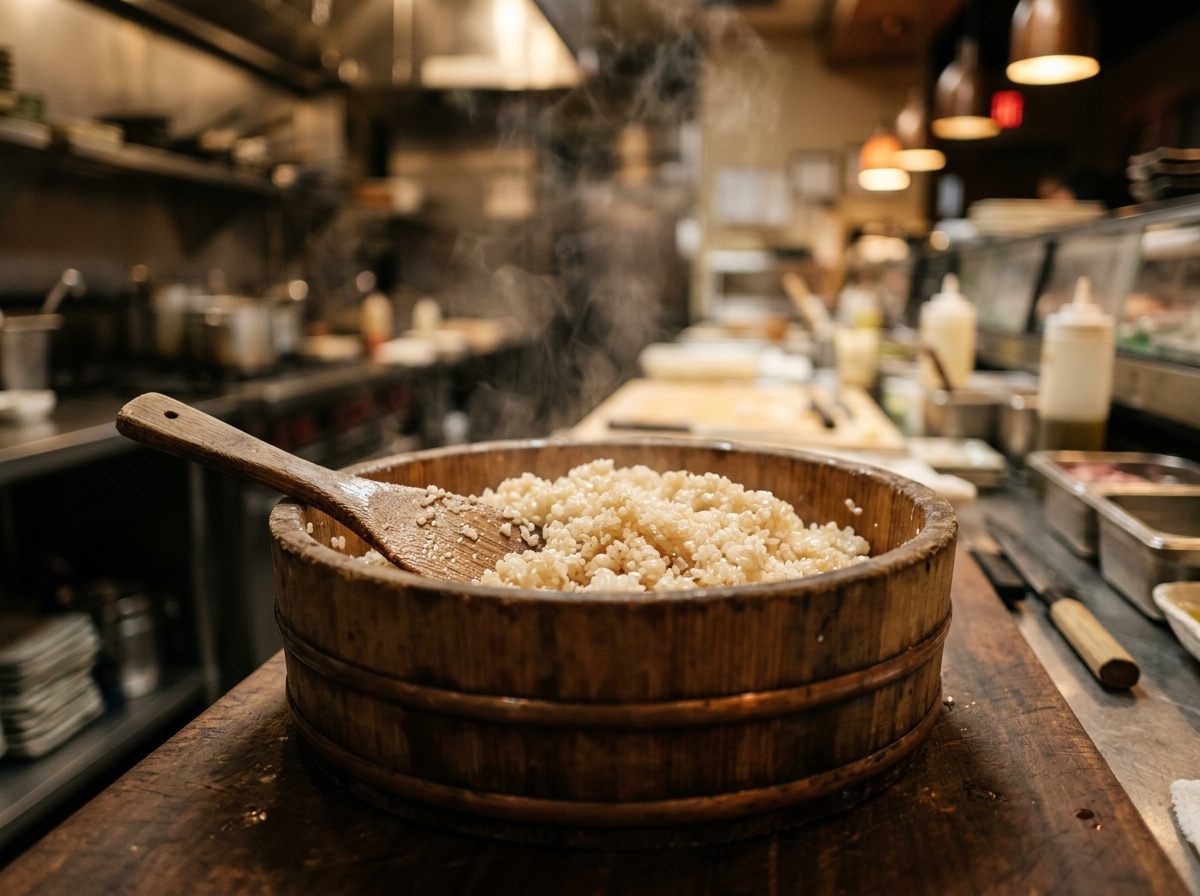
If you acidify sushi rice, ferment your own kimchi, or run a roast duck program, SNHD needs to approve how you do it, in writing, before you do it. The special processes that require an approved plan:
- Sushi-rice acidification: holding rice out of refrigeration by acidifying it with vinegar
- Reduced-oxygen packaging: vacuum sealing food for storage or later cooking
- Curing and smoking: house-cured meats, smoked fish, roast duck and barbecue programs
- Sous vide and cook-chill: cooking sealed, then chilling and holding for later service
- Fermentation: kimchi, house pickles, fermented sauces and pastes
Running these processes puts your permit in SNHD's highest risk category, which also means a Certified Food Protection Manager on site during all operating hours. None of that should scare you off the menu you want to cook. It just means the plan has to be right.
Why the plan is worth doing right the first time
SNHD charges $260 plus a $69.32 fee to review a HACCP plan. If the plan is rejected, you pay to resubmit and you wait through another review while that menu item stays on hold. A plan that matches how your kitchen actually works, written to SNHD's requirements the first time, is the cheapest version of this process.
Already got a rejection letter?
Rejections usually mean the plan on paper did not match the kitchen in real life. I go through the reviewer's comments line by line and rewrite the plan so the resubmittal answers every one. Start with a free walk-through.
Documents your crew will actually use
Everything I write covers the fundamentals I checked as an inspector: temperature control and proper food storage, cleaning and sanitation programs, cross-contamination prevention, and documentation and recordkeeping.
HACCP and food safety plans
A complete plan for your special process, written around your actual recipes, equipment, and staffing, not a template with your name pasted in. Hazards, critical limits, monitoring steps, and corrective actions, all in plain language, ready for SNHD submission.
Standard operating procedures
Short, station-ready SOPs for the things inspections turn on: cooling, date marking, time as a public health control, and cleaning and sanitation schedules. Each one says what to do, why it matters, and what to do when something goes wrong.
Logs that take seconds, not minutes
Temperature logs, receiving logs, and corrective-action records designed for a busy line. If a log takes more than a moment to fill in during a rush, it will not get filled in, so I design them to survive a Friday night.
A recordkeeping system that keeps itself
A simple routine for who records what, when, and where it lives, so that when an inspector asks for your records, they are one drawer away, complete, and current. Documentation is the difference between "we do that" and being able to show it.
More than restaurant paperwork
My background isn't only inspections. I've also worked in food manufacturing and quality management: GMPs, third-party audits, corrective and preventive actions, and the documentation systems that hold it all together. That background is rare among restaurant-side consultants, and it shows up in the plans I write.
It also means small food manufacturers, commissary kitchens, and ghost-kitchen operators are welcome here. If you produce, package, or co-pack food anywhere in the Las Vegas valley, I can build your food safety documentation to the same standard. You can read more about my background on the Meet Vinh page.
Published prices, exact quote after a free walk-through
Every price I charge is public, here and on the pricing page. No intake form required to see a number.
| Service | What you get | Price |
|---|---|---|
| HACCP / Special-Process Plan | A complete plan for your special process, written to SNHD's requirements and specific to your operation, plus a walkthrough with your team so everyone understands what the plan asks of them | $1,500–$2,500 |
| SOP + Recordkeeping System | Station-ready SOPs, temperature and receiving logs, corrective-action procedures, and a recordkeeping routine a busy kitchen will keep up | $895 |
Where a plan lands in the $1,500–$2,500 range depends on how many processes you run and how complex the menu is. I give you the exact flat quote after a free walk-through, before any work starts, and split payments are available on packages over $1,000.
HACCP and SOP questions, answered plainly
Do I need SNHD approval before I start a special process?
Yes. SNHD requires an approved plan before you run a special process like sushi-rice acidification, reduced-oxygen packaging, curing and smoking, sous vide, cook-chill, or fermentation. If you are already doing one of these without an approved plan, the fix is the same: get a solid plan written and submitted. Bring it up on the free walk-through and we'll map out the fastest path.
Can you guarantee SNHD will approve my plan?
No, and be careful with anyone who says they can. The decision always belongs to SNHD, and I don't work for the Health District anymore; I work for you. What I can do is write the plan to SNHD's published requirements, from a former inspector's understanding of what reviewers look for, so the plan you submit is complete, specific to your actual operation, and built to be approved the first time.
How long does a HACCP plan take?
It depends on how many processes you run and how complex the menu is, so I give you a timeline along with the exact quote after the free walk-through. One thing I don't control is SNHD's review queue, so the earlier we start, the better.
SNHD rejected my plan. Can you fix it?
Yes, and this is common. I go through the reviewer's comments line by line, walk your operation to see what the plan missed, and rewrite it so the resubmittal answers every comment. A rejection isn't a verdict on your restaurant. It usually just means the plan didn't match what you actually do.
What's the difference between the HACCP plan and the SOP system?
The HACCP plan is the document SNHD requires and approves for special processes. The SOP and recordkeeping system is the day-to-day layer every kitchen needs whether or not a special process is involved: cooling procedures, date marking, cleaning and sanitation schedules, temperature and receiving logs, and corrective actions. Many kitchens need both, and I build them to work together.
I'm not a restaurant. Can you still help?
Yes. My background includes food manufacturing and quality management, so small food manufacturers, commissaries, and ghost-kitchen operators are welcome here too: GMPs, audit preparation, corrective and preventive actions, and the documentation that goes with them.
Let's make your food safety program stronger, simpler, and more effective.
Free, no pressure, at your restaurant. If you don't need help, I'll tell you. I personally reply to every message within 2 business hours, Monday to Saturday, 8am to 6pm.